


Finding Hotel Internships in Thailand: My Experience and Tips for Hospitality Students
Introduction
For hospitality students, internships are often the first opportunity to experience how the hotel industry operates beyond the classroom. While studying hospitality management provides important theoretical knowledge, real learning often begins when students step into a professional hotel environment and interact with guests, colleagues, and daily operational challenges.
Thailand has become one of the most attractive destinations for hospitality internships in Southeast Asia. With its strong tourism industry and the presence of many international hotel brands such as Marriott International, Hilton, and Accor, students have the opportunity to observe global hospitality standards and gain experience in diverse hotel operations. For many young people from Myanmar who are interested in building a career in hospitality, Thailand is also a popular destination to gain international exposure. In fact, students from international hospitality institutions, including schools in Switzerland, also choose Thailand as a training location for their internships.
However, finding the right internship can sometimes be challenging. Students need to consider several factors such as hotel brand reputation, internship location, living conditions, and the types of departments where they can gain practical experience.
In this article, I will share insights on how hospitality students can find internship opportunities in Thailand, what factors they should consider when selecting a program or hotel, and what they can expect from working in an international hospitality environment.
1. Choosing the Right Hospitality Program
Selecting the right hospitality program is an important starting point for students who want to build a career in the hotel industry. Some programs provide strong industry connections and internship opportunities, while others may focus mainly on academic learning.
Below is a comparison of different program characteristics students should consider before joining.
| Factor | Description | Importance |
|---|---|---|
| Industry connections | Programs partnered with hotels can help students find internships more easily | Very important |
| Practical training | Courses that include real hotel service training prepare students for real work environments | Important |
| Internship requirement | Some programs require internships as part of graduation | Very important |
| Career support | Programs that assist with resume preparation and interviews help students succeed | Helpful |
The Thailand Professional Qualification Institute TOP Program at Dusit Thani College focuses on professional hospitality training and prepares students for real hotel operations. However, students still need to apply for internships themselves by submitting their CV and attending interviews with hotels.
But this article is not only intended for students who are currently studying in hospitality programs in Thailand. It can also be helpful for students who are not enrolled in a Thai institution but are interested in gaining internship experience in Thailand’s hospitality industry.
For students coming from Myanmar, it is usually easier to apply for internships in Thailand if they already have some hospitality-related background. This may include completing a hospitality certificate program, vocational training, or gaining work experience in hotels or restaurants in Myanmar.
Having basic hospitality knowledge or industry experience can make a significant difference during the application process. Many international hotels prefer candidates who already understand fundamental hospitality concepts such as guest service, communication, and professional workplace behavior.
For students who have previously worked in hotels in Myanmar, an internship in Thailand can be a valuable opportunity to gain exposure to international hotel brands such as Marriott International, Hilton, and Accor. This experience allows students to learn global service standards and understand how larger hospitality organizations operate.
2. International Hotel Groups in Thailand
Thailand’s hospitality industry includes many international hotel brands. Compared with some countries, students in Thailand have more opportunities to intern in globally recognized hotels.
Below are some of the major international hotel groups operating in Thailand.
| Hotel Group | Example Brands | Presence in Thailand |
|---|---|---|
| Marriott International | Marriott, JW Marriott, Sheraton, Westin | Strong presence |
| Hilton | Hilton, DoubleTree, Conrad | Strong presence |
| Accor | Sofitel, Pullman, Novotel, Ibis | Very strong presence |
| Hyatt | Grand Hyatt, Hyatt Regency | Moderate presence |
| IHG Hotels & Resorts | InterContinental, Holiday Inn | Strong presence |
Interning in hotels under these groups can provide students with valuable exposure to international service standards and professional hotel operations.

3. Internship Locations in Thailand
Thailand offers many destinations where hospitality students can complete internships. Each location provides a different type of hospitality environment.
| Destination | Type of Tourism | Internship Environment |
|---|---|---|
| Bangkok | Business & city tourism | International hotels and corporate hospitality |
| Phuket | Luxury beach tourism | Resort hotels and international guests |
| Pattaya | Leisure tourism | Beach resorts and entertainment tourism |
| Chiang Mai | Cultural tourism | Boutique and luxury resorts |
| Koh Samui | Luxury island tourism | High-end resort hospitality |
From my perspective, many students prefer internships in Bangkok because of its convenient transportation, availability of accommodation, and access to daily necessities.
4. Bangkok vs Resort Destinations
Students often need to choose between internships in Bangkok or resort destinations. Each option has advantages and disadvantages.
| Factor | Bangkok | Resort Destinations |
|---|---|---|
| Transportation | BTS, MRT, buses available | Limited public transportation |
| Accommodation | Easy to find apartments and condos | Often hotel dormitories |
| Cost of living | Moderate | Sometimes higher |
| Work environment | Business and city hotels | Resort and leisure hotels |
| Lifestyle | Busy city life | Relaxed tourist environment |
Students should consider their lifestyle preferences and transportation needs when selecting internship locations.

5. Internship Benefits
Internship benefits can vary depending on the hotel brand, location, and property type. In general, city hotels and resort hotels provide slightly different support for interns, particularly regarding accommodation and monthly allowances.
The table below shows a general comparison based on common practices in Thailand.
| Benefit | Bangkok Hotels | Resort Hotels |
|---|---|---|
| Monthly allowance | Usually none | 4,000–8,000 THB |
| Uniform | Provided | Provided |
| Meals | Provided during shifts | Provided during shifts |
| Accommodation | Not usually provided | Often dormitory provided |
Hotels located in major cities such as Bangkok often do not provide accommodation or financial allowances for interns. However, they usually provide meals during working shifts and staff uniforms. Interns in the city may benefit from convenient public transportation and easier access to apartments or shared accommodation.
In contrast, resort destinations such as Phuket, Krabi, and Koh Samui sometimes provide dormitory accommodation and small monthly allowances to support interns, since these locations can be more remote and transportation options are limited.
While some hotels may not provide financial allowances, the experience gained from working in international hotel brands can still be extremely valuable. Internships allow students to learn global service standards, develop professional skills, and gain experience that can strengthen their future career opportunities in the hospitality industry.
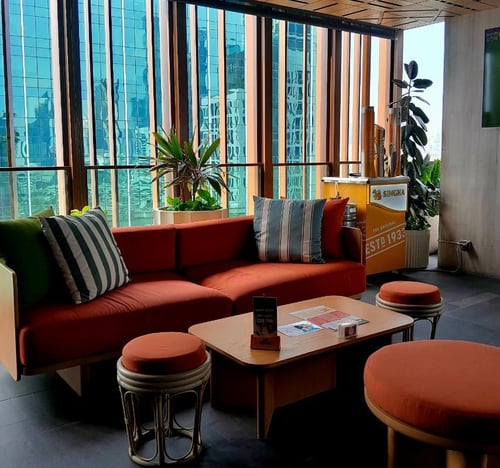
6. Internship Departments
Internships often allow students to gain experience in different hotel departments. This helps interns understand how various teams work together to deliver a smooth and high-quality guest experience.
| Department | Responsibilities | Skills Learned |
|---|---|---|
| Front Office | Check-in, check-out, guest assistance | Communication and problem-solving |
| Telephone Operator | Handling guest calls, connecting departments | Communication and coordination |
| Executive Lounge | Providing services to VIP guests | Personalized guest service |
| Food & Beverage | Restaurant service and guest support | Guest interaction and teamwork |
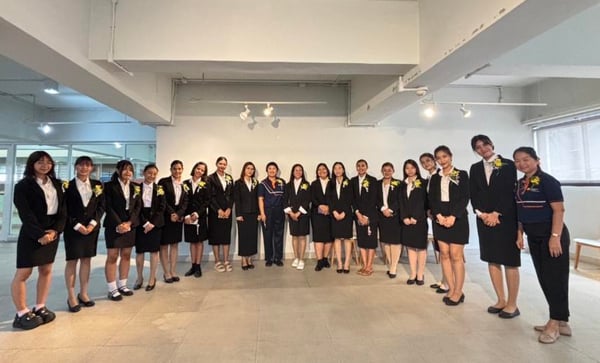
During my internship, I had the opportunity to work in several departments, including Front Desk, Telephone Operations, and the Executive Lounge. This rotation allowed me to gain a broader understanding of hotel operations and how different departments collaborate to provide excellent service to guests.
However, department rotation opportunities may vary depending on the hotel. Some hotels allow interns to rotate between departments, while others assign interns to a single department for the entire internship period. For this reason, it is important to clarify this during the internship interview stage. Students who are interested in learning multiple areas of hotel operations should ask about department rotation before confirming their internship placement.
7. Preparing a Professional CV
Before applying for internships, students should prepare a clear and professional CV. A well-structured CV helps hotels quickly understand a candidate’s background, skills, and career interests.
| CV Element | Purpose |
|---|---|
| Education | Shows hospitality training or academic background |
| Skills | Highlights communication, teamwork, and service abilities |
| Internship objectives | Demonstrates career motivation and interest in hospitality |
| Languages | Important for working in international hotel environments |
Hotels generally value candidates who demonstrate professionalism, responsibility, and a positive service attitude. For internships, recruiters usually understand that students may not have extensive work experience, so they often focus more on potential, willingness to learn, and communication skills.
Students can create simple and professional CVs using tools such as Canva or Flow CV. However, it is important not to overdesign the CV with too many graphics or colors. A clean and easy-to-read format is usually the best choice for internship applications.
In many cases, hotels pay close attention to a candidate’s attitude during the interview process. Showing enthusiasm, professionalism, and a willingness to learn can often make a stronger impression than having a long list of experiences.
8. Key Skills for Hospitality Students and Job Opportunities in Thailand
Hospitality is a service-focused industry that requires both technical knowledge and strong interpersonal skills. During internships, students not only learn operational tasks but also develop soft skills that are essential for working in international hotel environments.
| Skill | Importance in Hospitality |
|---|---|
| Communication | Essential for interacting with guests and colleagues |
| Teamwork | Hotels rely on strong cooperation between departments |
| Problem solving | Important when handling guest requests and unexpected situations |
| Professional attitude | Helps maintain high service standards and guest satisfaction |
Developing these skills during internships can help students prepare for future careers in the hospitality industry and increase their chances of securing employment in international hotels.
However, finding a full-time hospitality job in Thailand can sometimes be challenging for foreign candidates. Many hotels prioritize hiring local candidates due to language requirements, work permit regulations, and communication with Thai-speaking guests and staff. For example, positions that require frequent guest interaction may prefer candidates who can speak Thai.

For foreign hospitality workers, including candidates from Myanmar, certain operational roles are more commonly available. These often include positions in Food and Beverage service, culinary departments, and housekeeping, where international staff are frequently part of the workforce.
In addition, resort destinations such as Phuket may offer more opportunities compared to major cities like Bangkok. Because Phuket relies heavily on international tourism, hotels in this area often hire foreign staff who can communicate with guests from different countries.
For students who complete internships in Thailand, gaining experience in well-known international hotel brands can still be very valuable. Even if long-term employment opportunities may be limited, the skills and international exposure gained from these internships can strengthen future career opportunities in the global hospitality industry.
Final Thoughts
Completing an internship in Thailand can be a valuable experience for hospitality students who want to understand how international hotels operate in real working environments. Beyond learning technical skills, internships allow students to experience the daily rhythm of hotel operations, interact with guests from different cultures, and develop professional confidence.
During my internship at Hilton Sukhumvit Bangkok and DoubleTree by Hilton Sukhumvit Bangkok in Bangkok, I was able to observe how different departments collaborate to deliver consistent service quality. Working in multiple departments also helped me understand how teamwork, communication, and attention to detail contribute to the overall guest experience.
For hospitality students from Myanmar who want to gain international exposure, Thailand can be a practical destination to start building experience in the global hospitality industry. With the presence of major hotel groups such as Marriott International, Hilton, and Accor, students have the opportunity to observe international service standards and professional hospitality operations.
Although finding long-term employment in Thailand may require additional factors such as language skills, work permits, and industry experience, internships remain an important stepping stone for students who want to build a career in hospitality. The skills, knowledge, and professional connections gained during an internship can open doors to future opportunities in hotels around the world.
Key Takeaways
- Internships provide real-world experience beyond classroom learning.
- Working in international hotels helps students understand global hospitality service standards.
- Department rotations allow interns to learn different aspects of hotel operations.
- Thailand offers valuable exposure because many global hotel brands operate there.
- Even if long-term employment is challenging, internship experience can strengthen future career opportunities in the hospitality industry.
Frequently Asked Questions (FAQ)
1. Can international students do hotel internships in Thailand?
Yes, many international hotels in Thailand offer internship opportunities for hospitality program. However, in most cases it is required to have a valid student status, such as a student visa or participation in a recognized training program.
Many internships for international students are arranged through hospitality schools, universities, or professional training programs that partner with hotels. Because of this, students who are already studying hospitality or tourism-related courses often have an easier path to securing internships.
In some situations, students who already have hospitality training or work experience may also find internship opportunities independently, but visa requirements and hotel policies can vary depending on the organization.
2. Do hotel internships in Thailand provide a salary?
Internship benefits vary depending on the hotel and location. Many city hotels in Bangkok provide meals and uniforms but may not offer a monthly allowance. Resort hotels in destinations such as Phuket or Krabi may provide dormitory accommodation and small allowances for interns.
3. Which hotel departments are common for interns?
Hospitality interns are commonly placed in operational departments such as:
- Front Office
- Food and Beverage Service
- Telephone Operations
- Housekeeping
- Executive Lounge
These departments allow students to gain practical guest service experience and understand how hotel operations work in real situations.
4. Is it possible to get a job in Thailand after an internship?
While internships in Thailand are generally easier to obtain for hospitality students, finding a full-time job can be more challenging for foreign candidates.
Hotels often prioritize Thai nationals for many positions due to language requirements, work permit regulations, and communication with local guests and staff. Because of this, internships are usually accessible for students, but long-term employment opportunities may be more limited.
However, the experience gained during an internship in international hotels can still be very valuable. Working with global hotel brands such as Marriott International, Hilton, or Accor can strengthen a student’s resume and help create future opportunities in other countries or international hotel chains.
5. What skills are most important for hospitality internships?
Hotels usually look for candidates with strong communication skills, teamwork ability, professionalism, and a positive service attitude. Even without extensive work experience, students who show enthusiasm and a willingness to learn can make a strong impression during the internship interview.